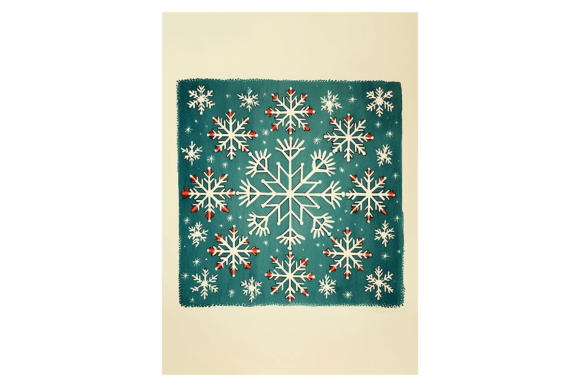
Snowflakes Christmas Card 3: A Designer's Real-World Embroidery Review
When I first opened the file for Snowflakes Christmas Card 3, my immediate reaction wasn't about stitch counts or file formats. It was about the mood. There is a specific kind of magic that happens when a digital illustration transitions into thread, and this design captures the quiet elegance of winter perfectly. As someone who has spent years reviewing machine embroidery designs for both personal hobby projects and commercial small business lines, I know that not every pretty image translates well to fabric. This one feels different.
The visual personality of Snowflakes Christmas Card 3 suggests a project that belongs in the cozy, intimate category of holiday crafting. It isn't loud or aggressive; it is delicate and refined. For an embroidery designer looking to add a touch of sophistication to their portfolio, this design offers a clean layout that respects the negative space on the fabric. It creates an atmosphere of warmth and tradition, making it an ideal candidate for items where sentiment matters more than bold graphics.
From Screen to Stitch: The Real Project Scenario
Let me walk you through how I would actually use Snowflakes Christmas Card 3 if I were preparing inventory for a boutique shop or fulfilling custom orders. Imagine you are a small business owner or an Etsy seller gearing up for the holiday rush. You need a product that stands out but doesn't look mass-produced. You decide to create a line of personalized holiday gift sets featuring embroidered kitchen towels and aprons.
In this scenario, placing Snowflakes Christmas Card 3 on a natural linen tea towel changes everything. The design's intricate details catch the light beautifully, turning a simple utility item into a keepsake. However, I wouldn't just throw it on any garment. If I were making a custom sweatshirt for a family member, I would place the design centrally on the chest, using a high-quality cotton blend that can handle the weight of the stitches without puckering. The design works exceptionally well as a focal point because it doesn't overwhelm the wearer.
I also considered using this as a tote bag design. For a craft fair booth, a canvas tote featuring this motif immediately signals "handmade" and "careful." Customers appreciate the texture of thread over printed ink. When they run their fingers over the finished product, the tactile difference reinforces the value of your custom apparel or handmade product. It elevates the perceived quality of the item, making it feel like a premium personalized gift rather than a generic stocking stuffer.
Navigating Fabric and Hoop Challenges
While the aesthetic appeal is undeniable, practical execution requires caution. Snowflakes Christmas Card 3 is not a one-size-fits-all solution. As an experienced reviewer, I have seen beautiful designs fail because the user ignored the physical limitations of the medium. You must be strategic about where you apply this embroidery file.
If you are working with a small hoop size, such as those used for hats or cuffs, you need to verify that the design scales down without losing its definition. Snowflake patterns often rely on fine lines to convey detail. On a curved surface like a cap, the tension might stretch the delicate elements, causing them to blur. Similarly, if you are stitching onto a textured fabric like a heavy chenille or a loose-weave wool, the needle path might get lost in the fibers. In these cases, the stitch density needs to be adjusted, or the design should be avoided entirely.
Dark fabrics present another hurdle. Unless you plan to use a substantial underlay or a contrasting background patch, the lighter threads of the snowflake design might disappear against a midnight blue or black shirt. I recommend testing the contrast by creating a printable mockup in black and white before committing to expensive thread. If you are aiming for a professional finish on dark materials, consider using a stabilizer that adds structure, ensuring the satin stitch holds its shape and doesn't sink into the weave.
Stretchy fabrics, like jersey knits used for baby clothes, require extra care. While baby embroidery is a popular niche, the movement of the fabric during stitching can distort the design. If you proceed, ensure you use a cut-away stabilizer to provide permanent support. Without it, the fill stitch areas might pull and warp after the first wash, ruining the crisp look of the snowflakes.
Visual Appeal and Brand Consistency
For those running a craft business or selling digital product previews, the consistency of your branding is paramount. Snowflakes Christmas Card 3 fits seamlessly into a cohesive brand identity focused on nature, holidays, and handmade aesthetics. Its clean lines allow it to pair well with other design assets, whether you are creating matching pillow covers, nursery decor, or wedding gifts.
The clarity of the design directly impacts customer trust. A well-executed embroidered patch or a sharp holiday embroidery project signals professionalism. Buyers on platforms like Etsy are increasingly discerning; they want to see that you understand the nuances of the craft. When the running stitch and satin stitch transitions are smooth and the edges are defined, customers perceive higher value. They are willing to pay more for a piece that looks like it was made with precision.
This design also excels in giftability. The universal appeal of snowflakes means it transcends specific demographics, making it a safe yet thoughtful choice for commercial embroidery projects targeting a broad audience. Whether it is a corporate holiday giveaway or a boutique item, the design conveys a message of care and attention to detail.
Essential Designer Notes Before You Start
Before you load this file into your machine, there are several critical steps to ensure success. First and foremost, always test the design on scrap fabric. This is non-negotiable. You need to check how the thread colors interact with your chosen material and verify that the hoop size accommodates the design without cutting off any edges.
Review the stitch density carefully. If the design is too dense for the fabric type, it may become stiff and difficult to wear. Conversely, if it is too sparse, the fabric might show through, looking unfinished. Inspect the small details closely; sometimes, what looks perfect on screen can break apart when stitched at high speeds. Confirm whether the design includes any applique design components that require additional steps, though based on the title, this appears to be a standard stitch file.
Don't forget to check the licensing terms. If you intend to sell finished items featuring Snowflakes Christmas Card 3, you must confirm that the license allows for commercial use. Many digital embroidery files come with restrictions on how many units you can produce. Ignoring this can lead to legal issues for your small shop product line.
Finally, compare the design on both light and dark backgrounds in your software. Ensure the contrast is sufficient for the intended end product. By taking these precautions, you transform a simple illustration into a stunning finished product that delights your customers and enhances your reputation as a skilled maker.